JJHanna Awardee 2025
meet our past awardee
Kashrai Kudada
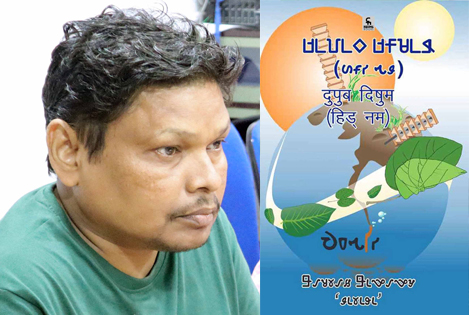 Kashrai Kudada, a resident of Jamshedpur in Jharkhand, belongs to the ‘Ho’ Adivasi community. He is a well-known Adivasi rights activist, writer, editor, and cultural worker. Dupub Dishum is his latest collection of essays, written in his mother tongue, Ho, using the Warangchiti script. Ho belongs to the Munda group of the Austroasiatic language family. In the 1940s, linguist and cultural pioneer Lako Bodra developed the Warangchiti script for the Ho language. Thereafter, like the Santali community in Jharkhand, Ho speakers also began an organized movement to write and publish in their own script.
The question of language and script has long remained central to debates in Adivasi literature. The richness of a language cannot be determined merely by whether or not it has its own script. A language without a script can be equally rich through memory, sound, songs, stories, and community traditions. At the same time, when grammar and script become externally imposed systems, they may restrict the natural phonetic vitality and expressive freedom of a language. The Adivasi worldview teaches us that discipline emerging from within is “self-governance,” whereas discipline imposed from outside becomes a form of “encroachment.”
Kashrai Kudada has long been actively engaged in the preservation, promotion, and dissemination of Ho language and literature. He has published journals and magazines, conducted language-training programmes, fostered cultural awareness among young people, and used technological tools such as software and mobile apps to take the Ho language to a new generation. Dupub Dishum is not only a document of his intellectual and cultural concerns but also a significant contribution to the modern journey of Ho language and literature. This is the distinctive strength of the collection.
If you would like to read this award-winning Ho essays collection, please obtain it from here.
Sony Rumchu
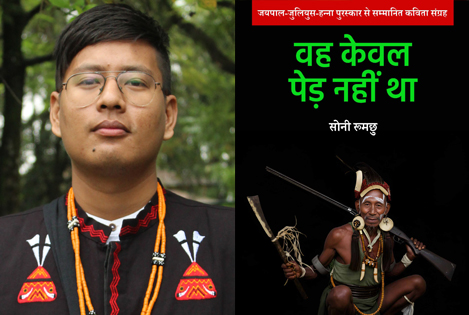 Sony Rumchu belongs to the ‘Olo’, or ‘Nocte’, community, whose history is rich in distinctive cultural and social experiences. A lesser-known historical account suggests that the Nocte community played an important role in introducing the British to local knowledge of tea. This knowledge later contributed to the expansion of tea cultivation and trade during the colonial period. The history also contains stories of conflict, resistance, and many untold experiences that have received little space in mainstream historical narratives.
Vah Keval Ped Nahin Tha (It Was Not Just a Tree) is a powerful expression of the emotions, memories, experiences, and worldview of a young Nocte mind. The collection may appear different from the formal conventions of mainstream Hindi poetry, but its true strength lies in the spontaneity and intimacy of Adivasi experience. At places, the structure of Hindi may not fully carry the intensity of these emotions, yet the force of the poetic content transcends linguistic limitations. While reading these poems, the reader encounters not merely words but the heartbeat of a young Adivasi soul. Sony Rumchu’s poetic journey holds the promise of bringing fresh sensitivity, energy, and perspective not only to the literature of Arunachal Pradesh but also to the broader landscape of Indian literature. The collection opens new possibilities for literary and cultural dialogue.
If you would like to read this award-winning Hindi poetry collection, please obtain it from here.
Manoj Murmu
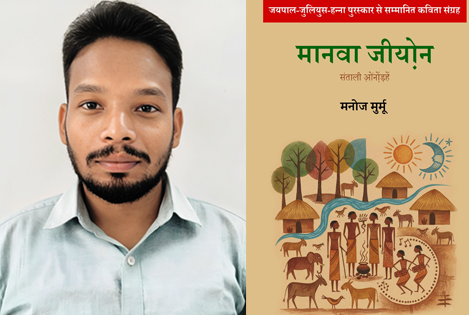 Manoj Murmu, a resident of Sahibganj, Jharkhand, is a young poet writing in Santali, and Manva Jiyon is his first collection of poems. At a time when social media often confines youthful creativity to emoji reactions and a few words, Manoj’s poetry offers a sense of hope. His work demonstrates that among Adivasi youth, a deep attachment to their language, culture, and collective memories remains very much alive.
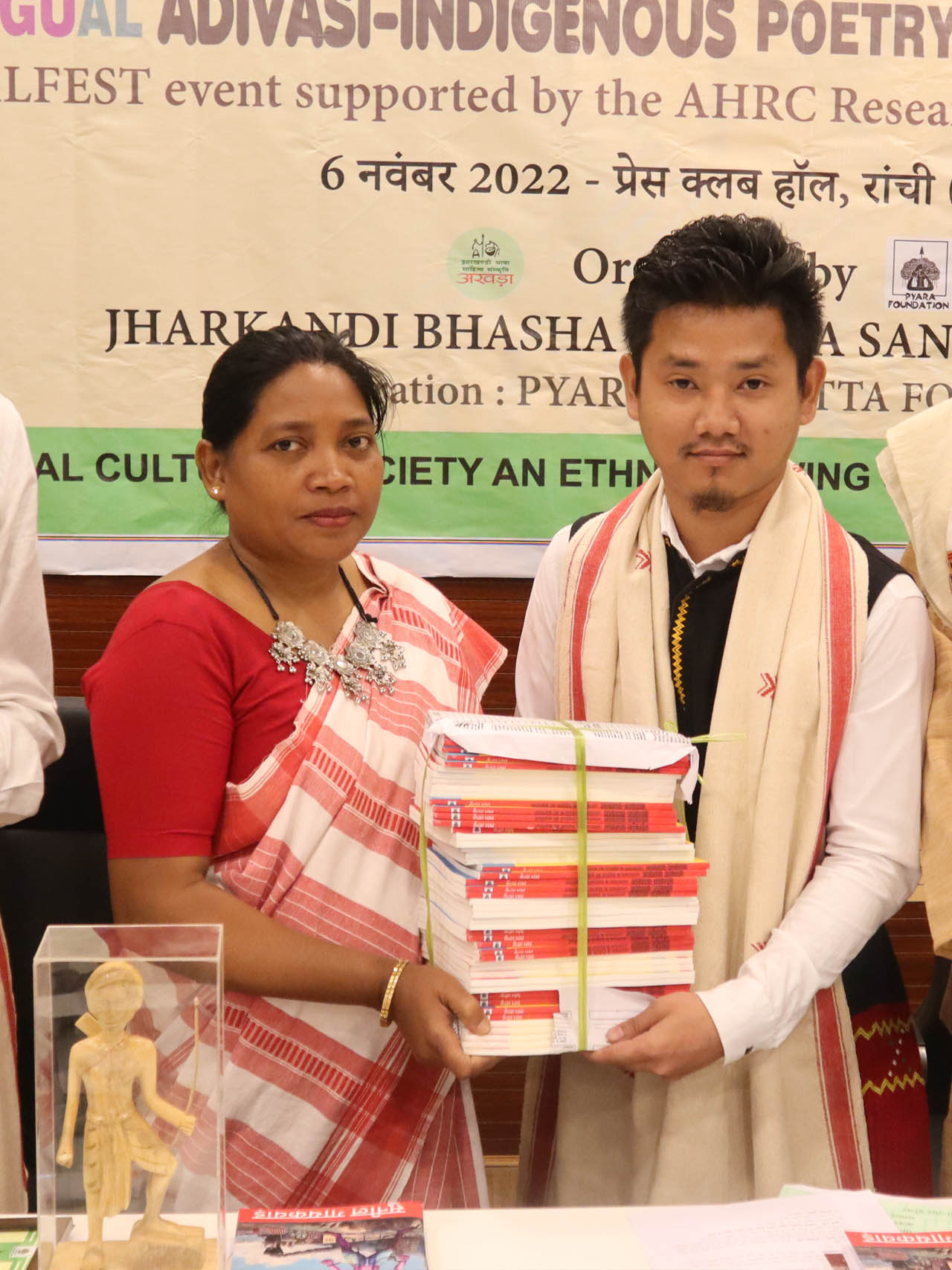
Manva Jiyon is written in Santali and published in the Devanagari script. The Santals are one of India’s major Adivasi communities. Santali is included in the Eighth Schedule of the Constitution of India, and its rich written literature has developed in several scripts, including Devanagari, Roman, Bengali, Assamese, and Ol Chiki. The Ol Chiki script, created by Raghunath Murmu in the 1940s, gave Santali writing a distinct identity, while Santali writers in Jharkhand have also continued to write in Devanagari and Roman because of historical, social, and cultural circumstances. Heartfelt congratulations to Manoj Murmu for this inspiring poetic creation. Sincere gratitude is also due to Jharkhandi Bhasha Sahitya Sanskriti Akhra, Pyara Kerketta Foundation, Tata Steel Foundation, the Jaipal-Julius-Hanna Literary Award 2025 Selection Committee, and its convener Dr. Preeti Ranjana Dungdung, whose support helped bring this recognition to a wider literary platform.
If you would like to read this award-winning Santali poetry collection, please obtain it from here.
All three of these writers bring to light the lives, struggles, and cultural heritage of the Adivasi communities in India. Their works are not only significant from a literary standpoint but also highlight the identity and the challenges faced by the tribal population, offering a true and nuanced portrayal of their world.
We’re - earthkeepers, creators of sustainability.
Over twenty years in the Adivasi literary world.
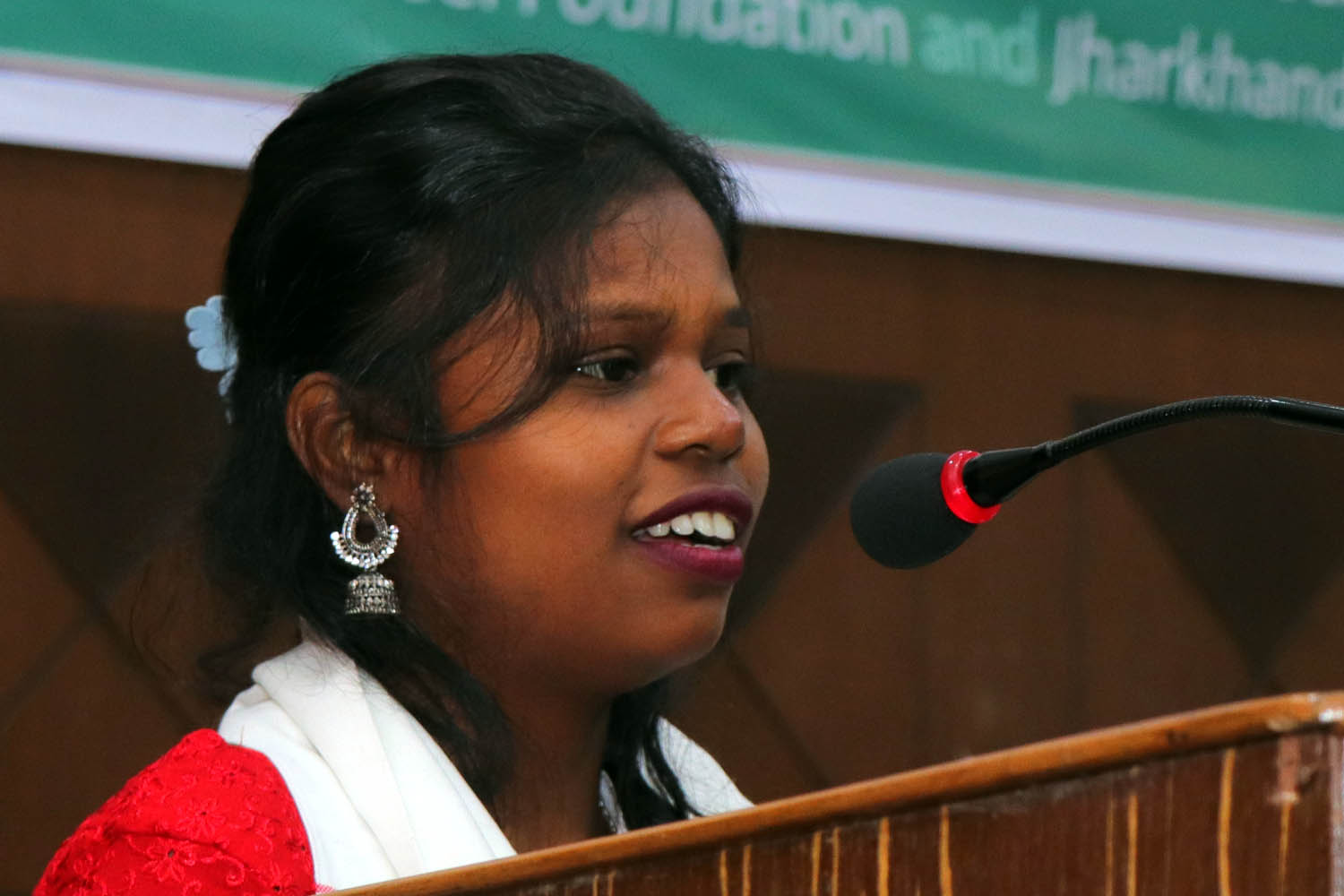
Shikha Minj
West Bengal
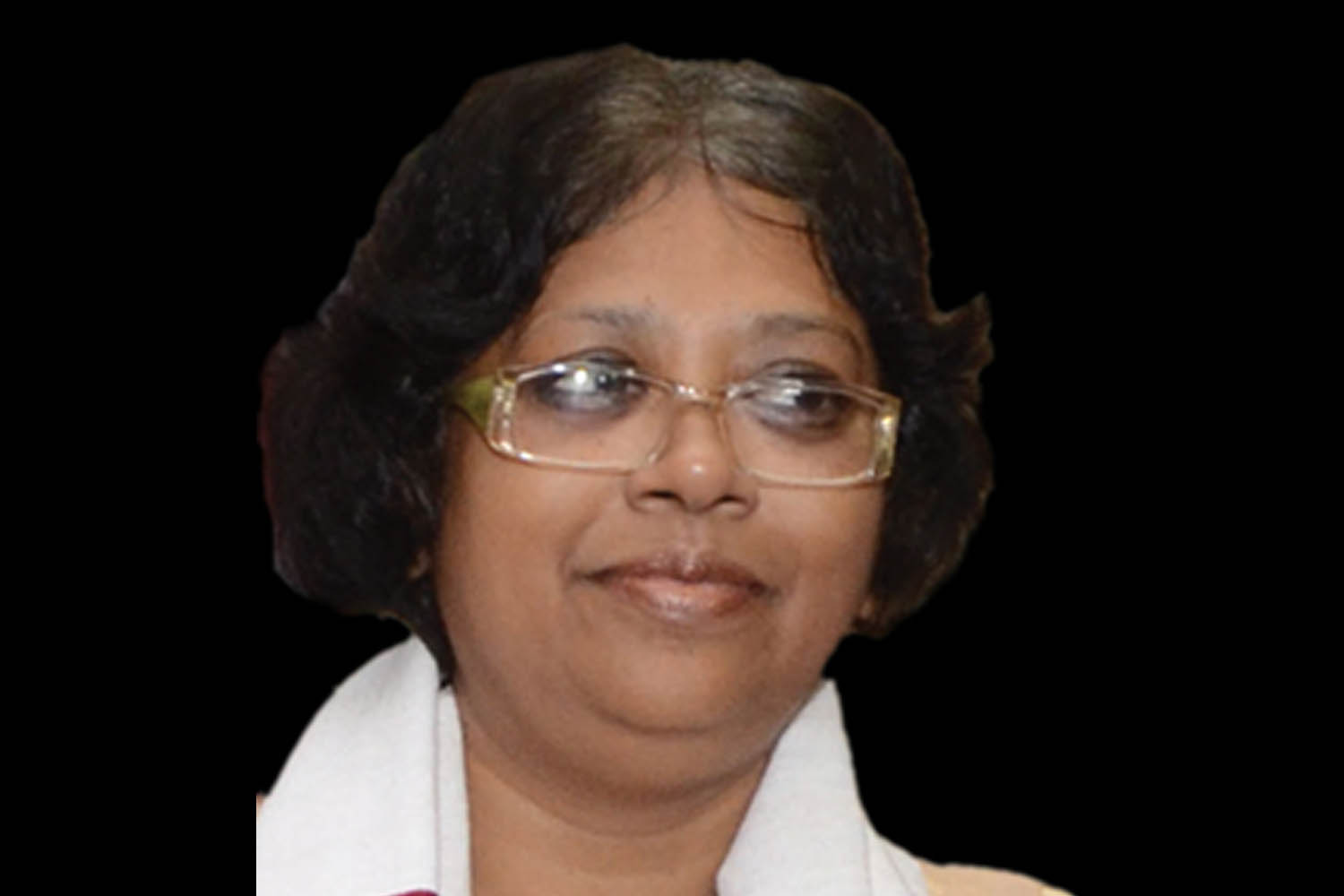
Ujjwala Tigga
New Delhi
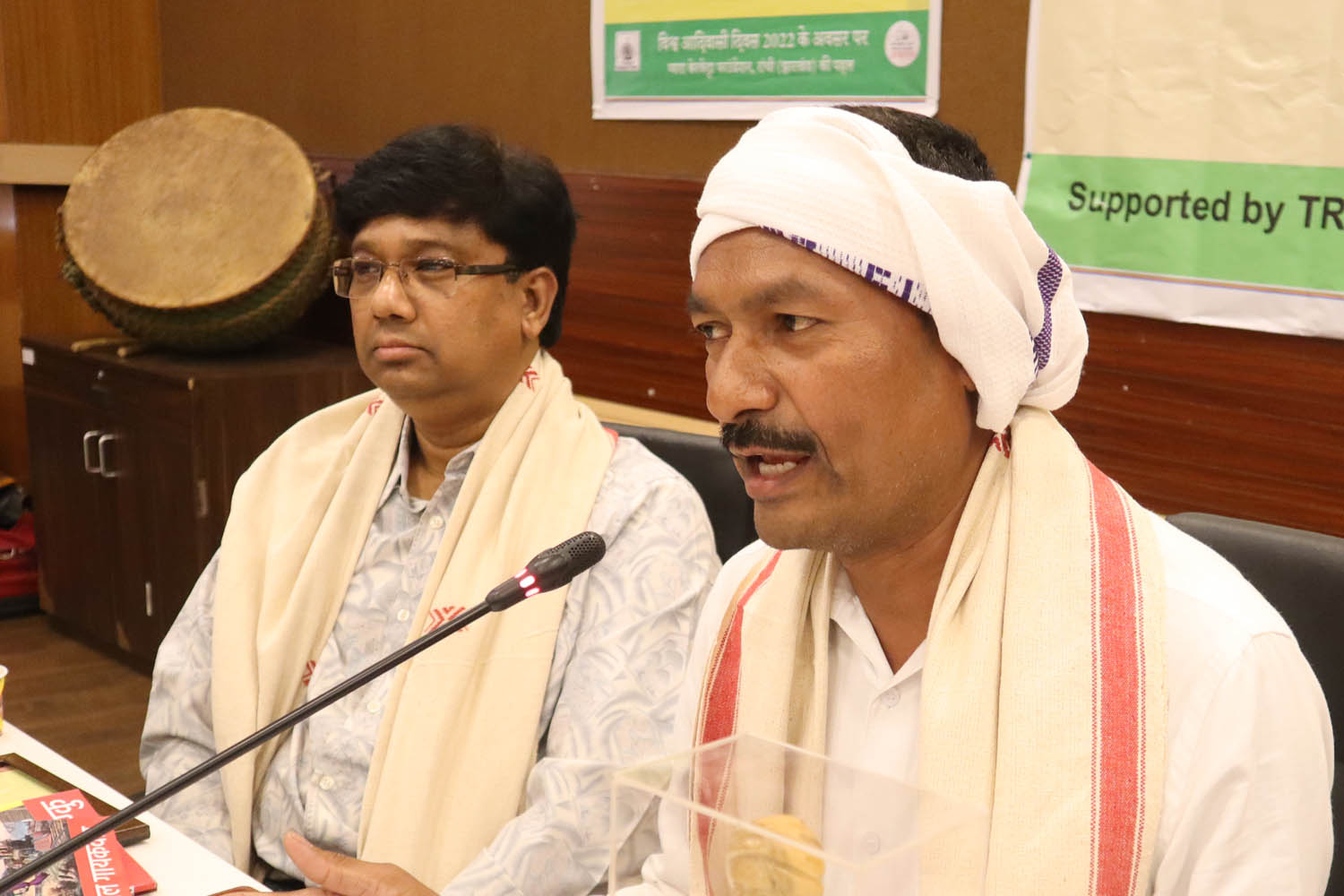
Sunil Gaikwad
Maharashtra
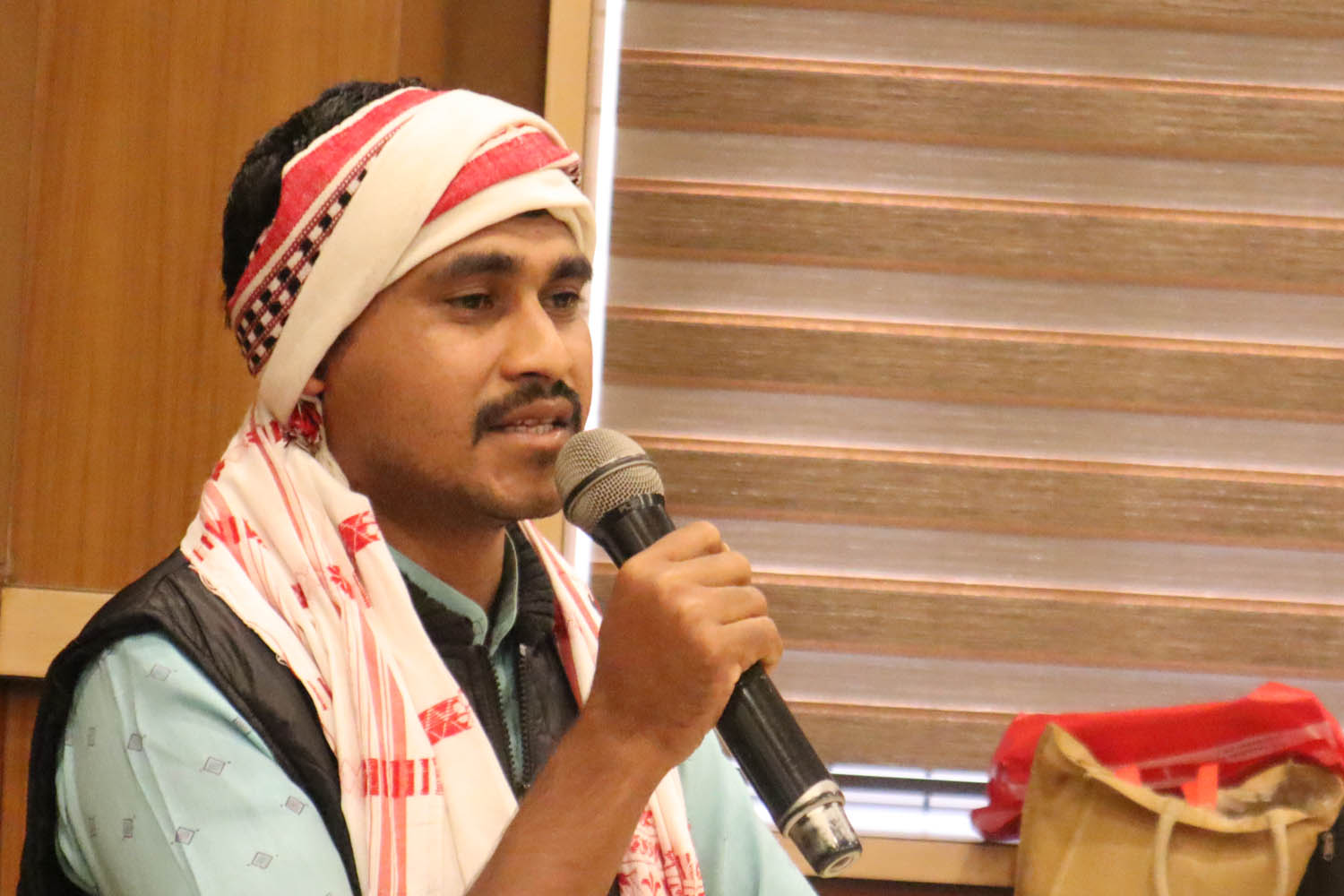
Santosh Pawara
Maharashtra
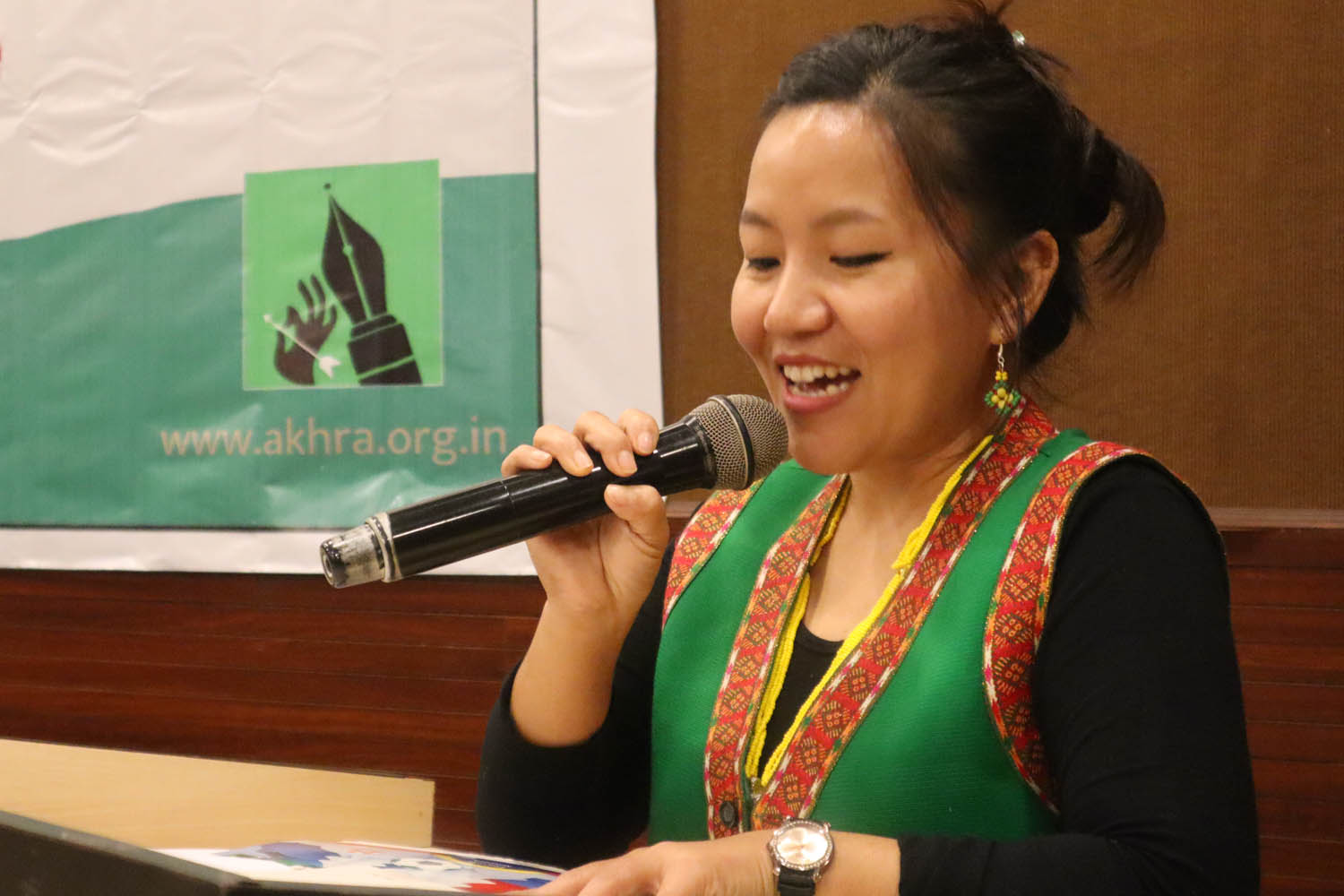
Tunung Tabing
Arunachal Pradesh
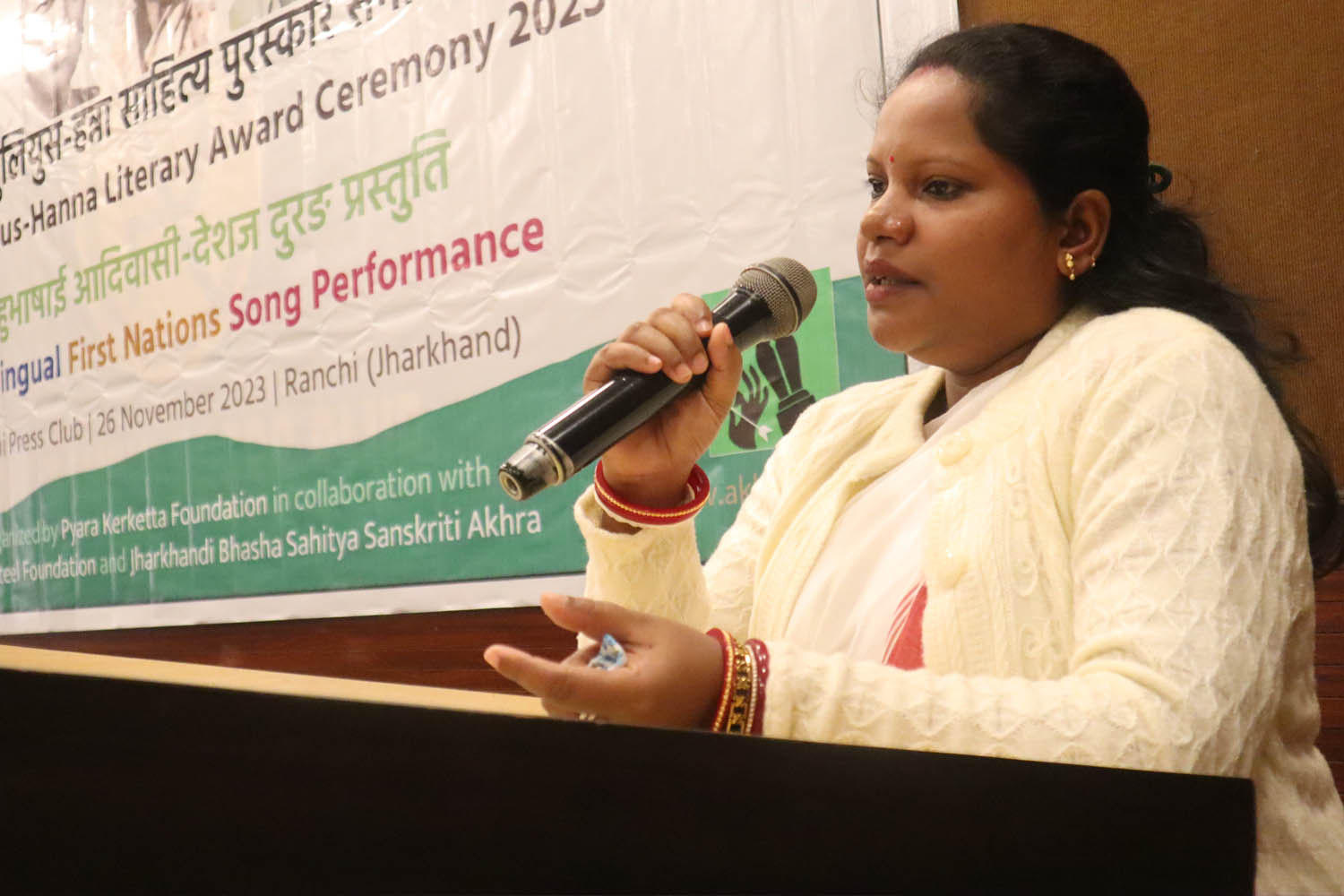
Puja Ekka
West Bengal
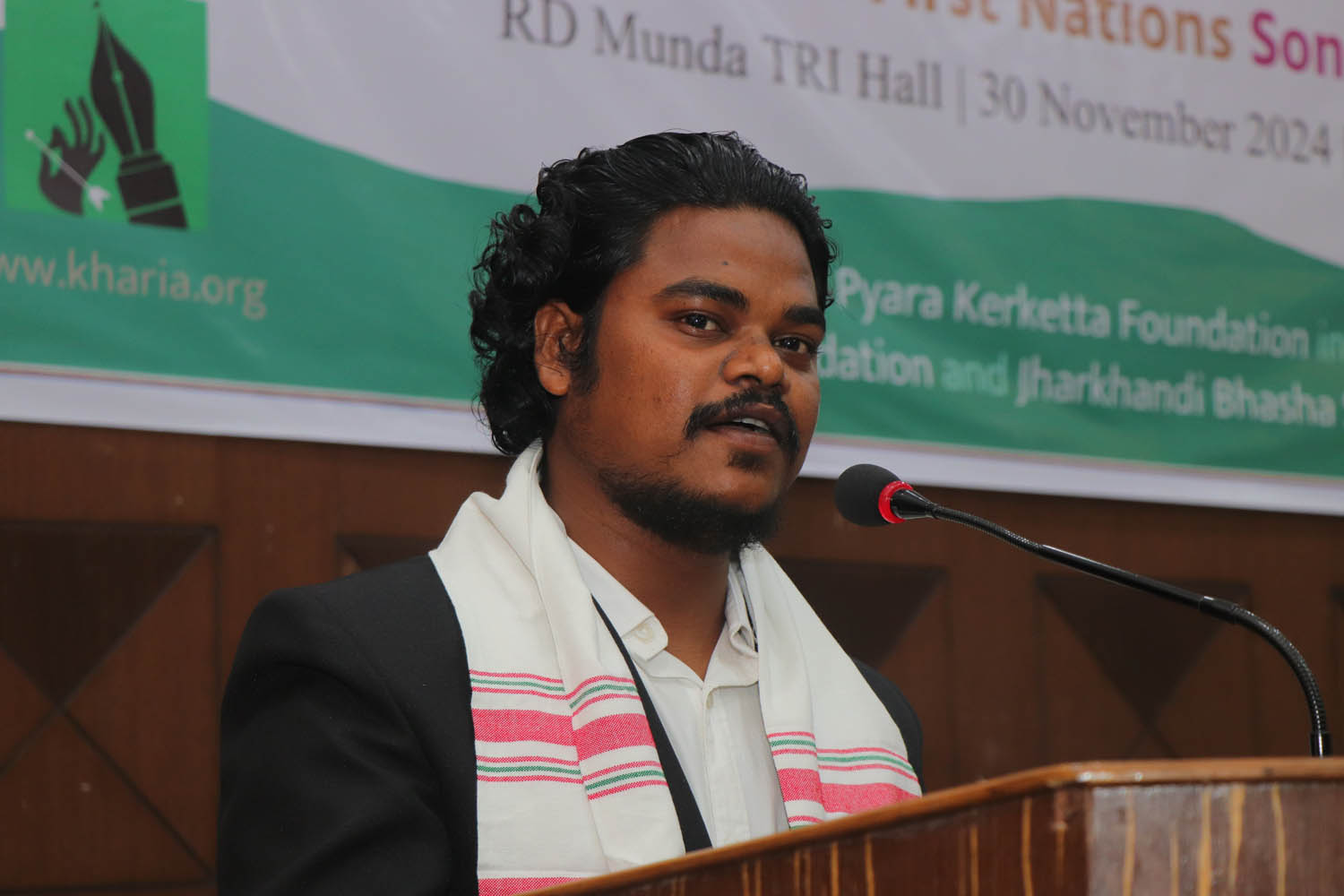
A. Hembrom
Jharkhand
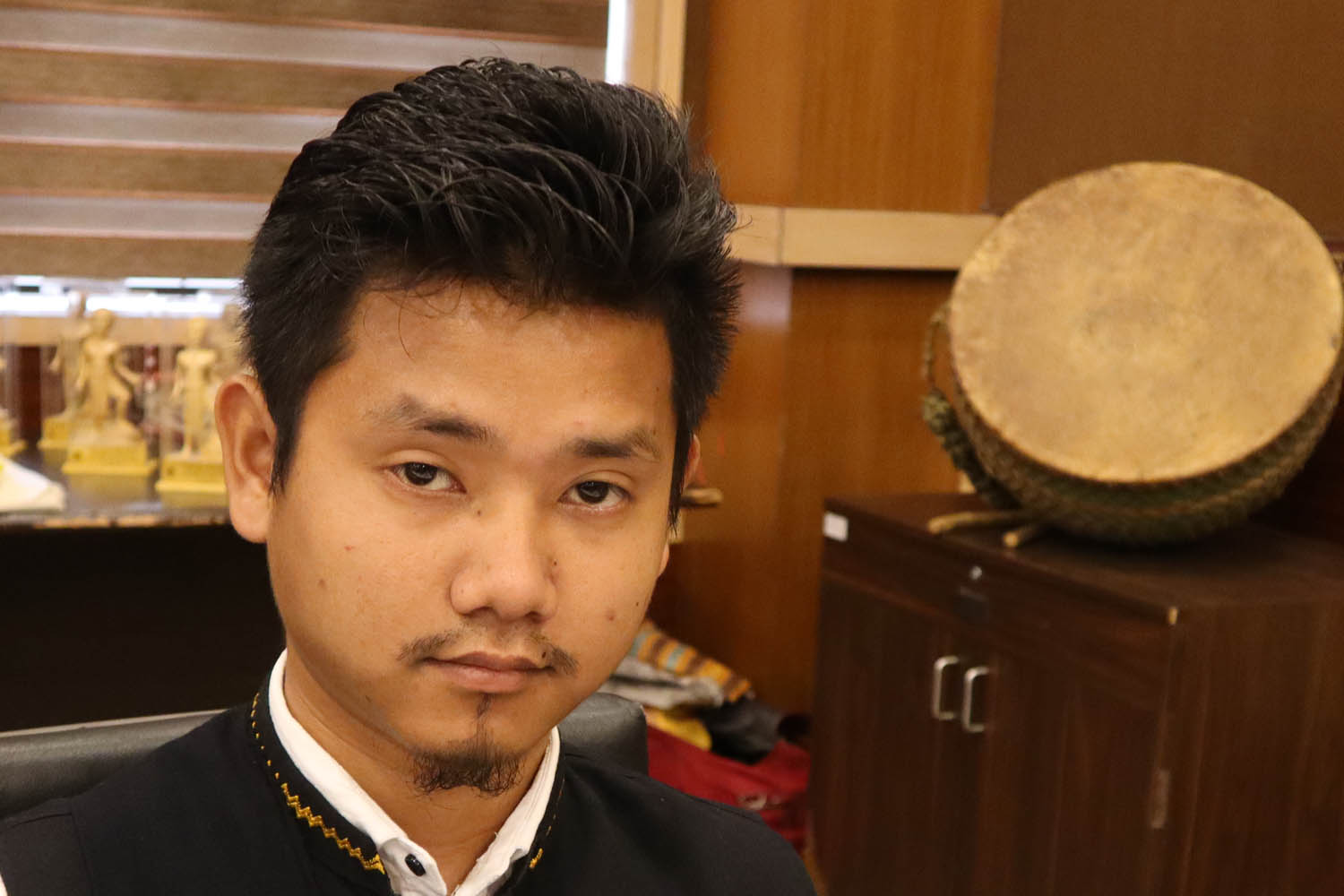
Remon Longku
Arunachal Pradesh

Vinod Atram
Maharashtra